Essays written after the credits, about the last hours of a game rather than the first.

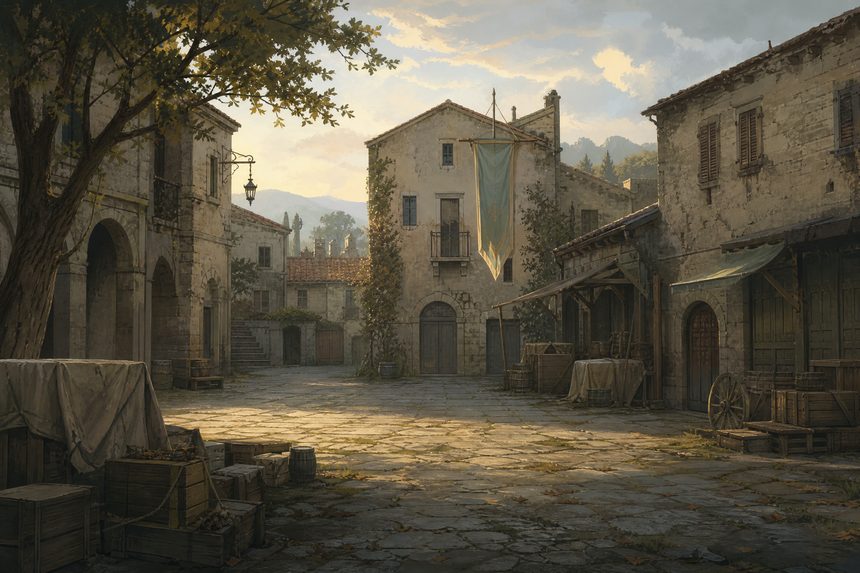
An abandoned village square in gentle afternoon light with market stalls packed away and one banner still hanging
Essay

The Epilogue Problem: What A Game Owes You After It Is Over

Some games end and then continue, returning you to a world with nothing left to do in it. Others close the door firmly. Neither approach is wrong, but a great many games choose the first while behaving as though they had chosen the second, and the result is a peculiar kind of loneliness that no design document ever intended.

Essay Approx. 3,600 words Seven games discussed
Recent essays

Full list
Essay

The Last Hour Is The Only Hour Most Games Cannot Rehearse

Openings are revised until they gleam because everybody sees them. Final hours are reached by a fraction of players, arrive late in production, and are tested by people who already know what happens. This is a structural problem rather than a failure of ambition, and it shows.

Long read 4,200 words Nine games
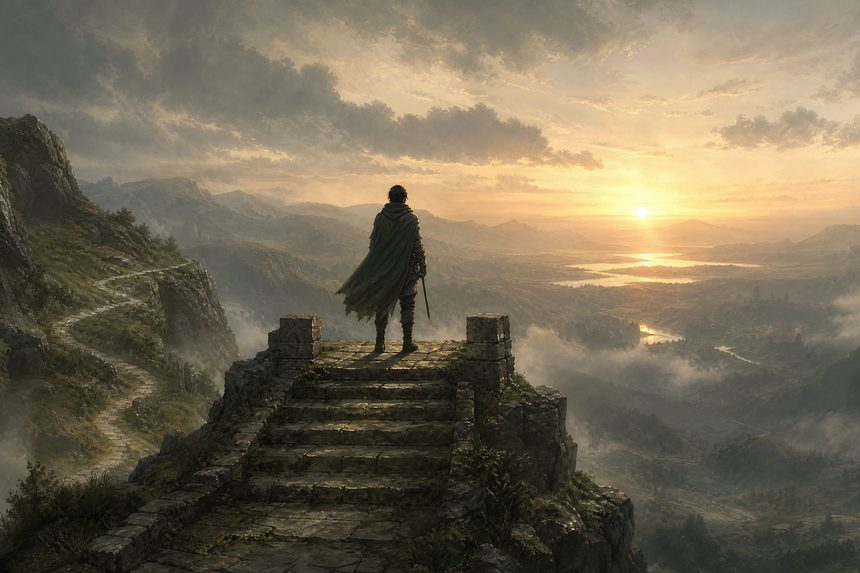
A lone figure at the top of a stone stair looking out over a wide valley at sunrise with the path winding out of sight
Essay

The Epilogue Problem: What A Game Owes You After It Is Over

The post-game state is the strangest room in modern design: a world that has been saved, with all its urgency removed and all its systems still running. Some games treat it as a reward. Rather more treat it as an oversight they have not got round to closing.

Essay 3,600 words Seven games
An abandoned village square with market stalls packed away in gentle afternoon light
Essay

Saying Goodbye To Characters Who Cannot Say It Back

Long role-playing games build attachment through repetition and proximity rather than through writing, which means the farewell scene is carrying weight the script never earned on its own. Three games handle that honestly. Several more mistake volume for feeling.

Essay 3,100 words Six games
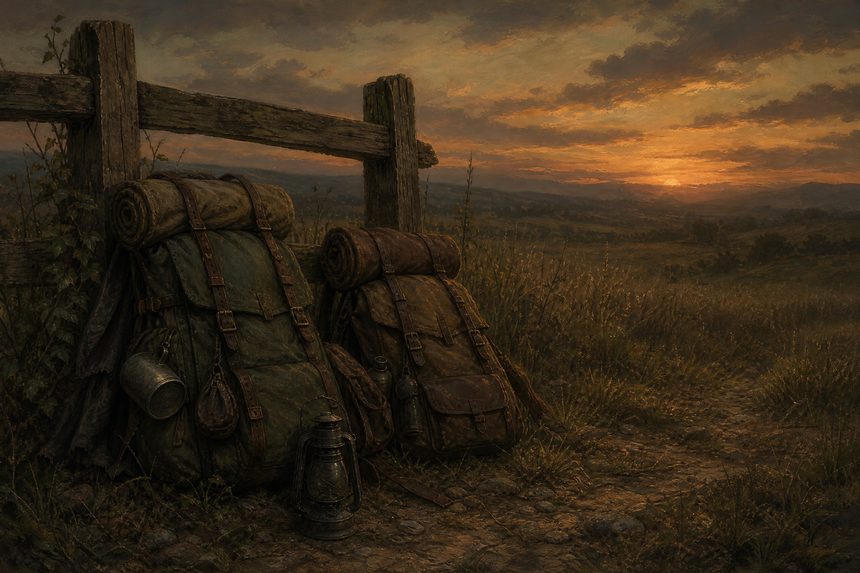
Two travellers' packs leaning against a wooden fence at the edge of a field at dusk with an unlit lantern
Note

The Empty Arena: Why Boss Rooms Feel Worse After The Fight

A space designed entirely around a single encounter has no second purpose, and walking back through it afterwards exposes that. A short note on why the return journey deflates so reliably, and on the two games in my notes that made it mean something.

Note 1,400 words Two games
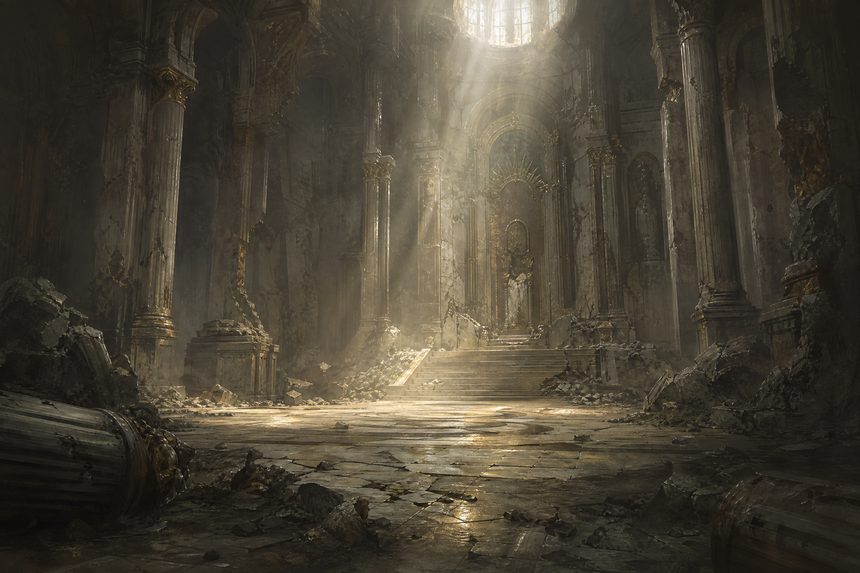
A vast empty hall with broken columns and dust in shafts of light through a high window

Shorter notes

Full list
Note

Ambiguous Endings Are Not Automatically Braver

Withholding resolution is a technique with costs, not a mark of seriousness. A short argument about when an unanswered question is a choice and when it is simply an unfinished draft.

1,600 words