Essays written after the credits, about the last hours of a game rather than the first.

Everything published so far

How these are written
Long read

The Last Hour Is The Only Hour Most Games Cannot Rehearse

Openings are polished because everybody plays them. Final hours are reached by a fraction of players, built late, and tested by people who already know the outcome. An argument that this asymmetry, rather than any lack of ambition, explains why endings so often feel thin.

Essay 4,200 words Nine games
A lone figure at the top of a stone stair looking over a valley at sunrise
Essay

The Epilogue Problem: What A Game Owes You After It Is Over

The post-game world is design's strangest room: everything saved, all urgency removed, every system still running. Some games treat it as a reward, several treat it as an oversight, and a very few use it to say something the ending could not.

Essay 3,600 words Seven games
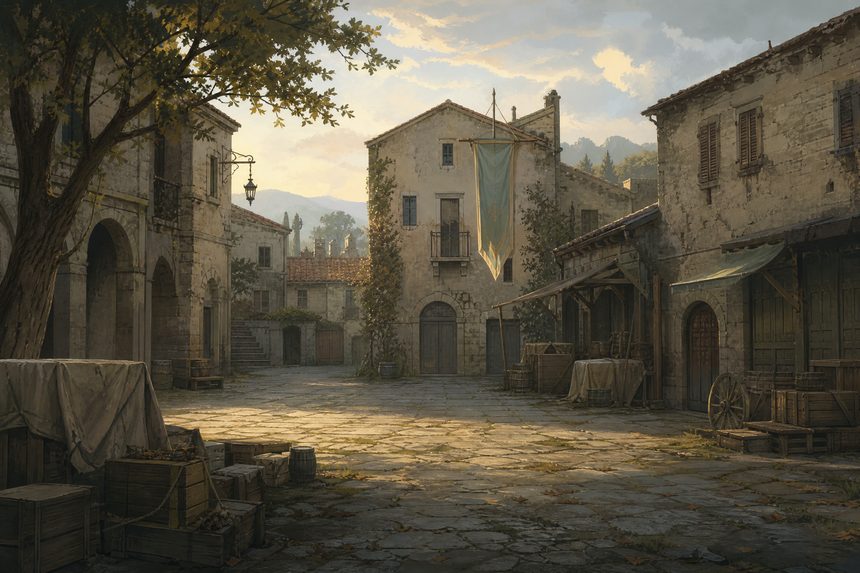
An abandoned village square with market stalls packed away
Essay

Saying Goodbye To Characters Who Cannot Say It Back

Attachment in long role-playing games is built from proximity and repetition rather than from dialogue, so the farewell scene carries weight the writing never earned alone. Three games acknowledge this. Several mistake volume of sentiment for the real thing.

Essay 3,100 words Six games
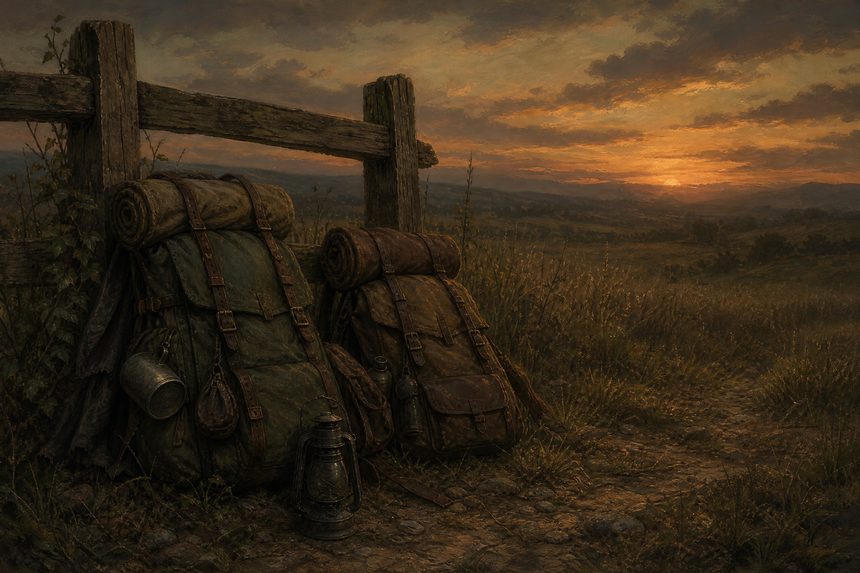
Two travellers' packs leaning against a fence at dusk with an unlit lantern
Note

The Empty Arena: Why Boss Rooms Feel Worse After The Fight

A space built entirely around one encounter has no second purpose, and the walk back exposes it. On why the return journey deflates so reliably, and on the two games in my notes that turned that emptiness into part of the ending.

Note 1,400 words Two games
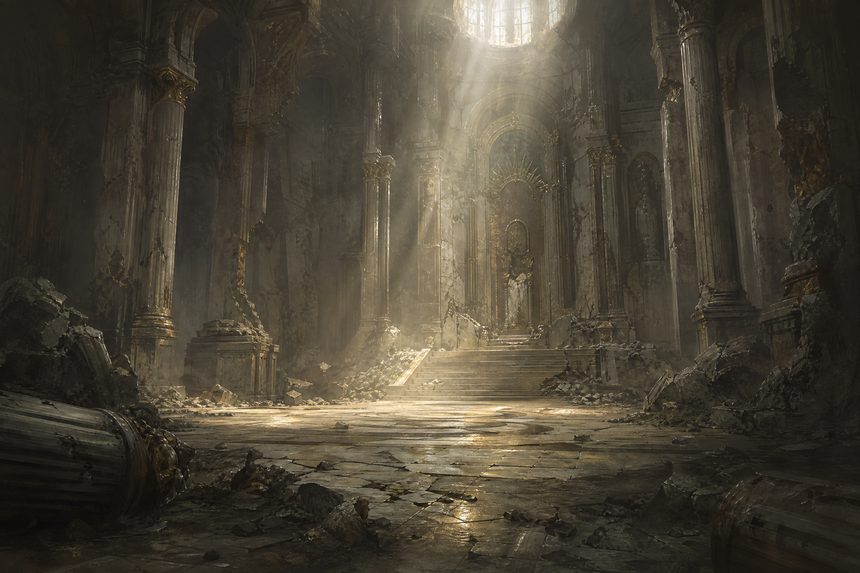
A vast empty hall with broken columns and dust in shafts of light
Note

The Survival Game That Ends When You Stop Needing Anything

Building and survival games rarely conclude; they plateau. One in my notes reached a real ending by making sufficiency legible in the world itself, with no dialogue and no announcement, and it is the quietest finish I have written about.

Note 1,200 words One game
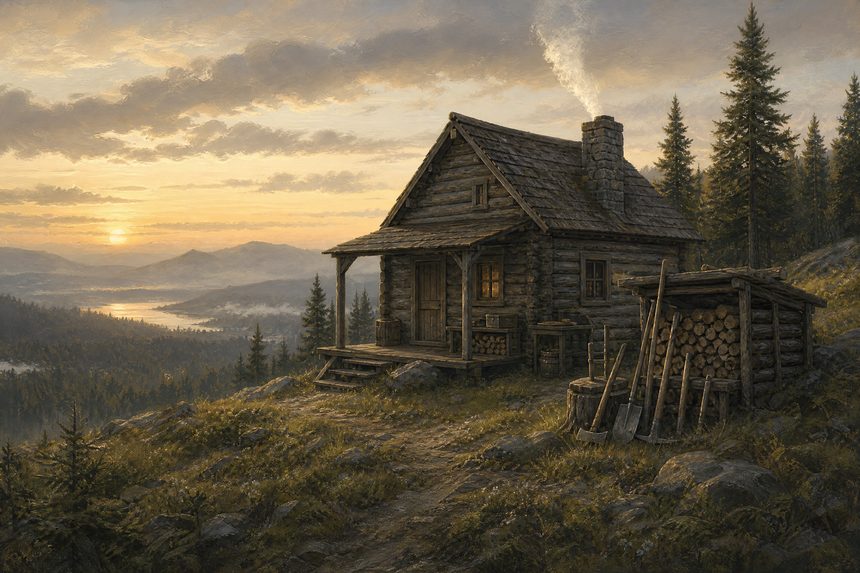
A small self-built cabin on a hillside at first light with smoke from the chimney and tools stacked outside
Note

Ambiguous Endings Are Not Automatically Braver

Withholding resolution is a technique with costs rather than a badge of seriousness. On distinguishing a question a game has deliberately left open from a question it simply never got round to answering, and why the two feel entirely different in the hand.

Note 1,600 words Four games
A long empty road through flat country under an overcast sky with a signpost with blank boards
Six pieces published New essays appear when a playthrough is finished